
Understanding Contemporary Digital Folklore: The Case of Backrooms, Cores and Liminal Spaces
Understanding Contemporary Digital Folklore: The Case of Backrooms, Cores and Liminal Spaces
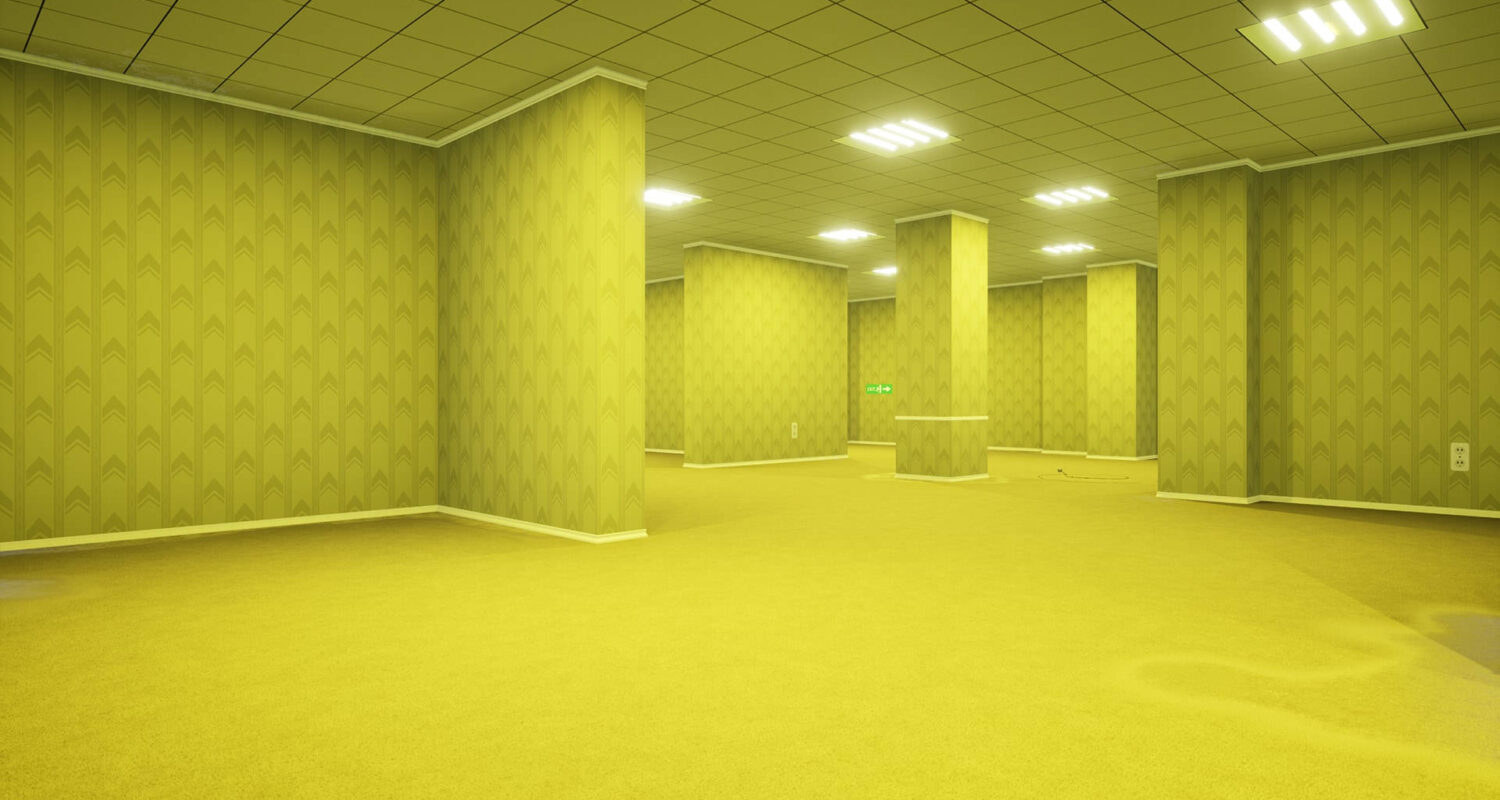
The Backrooms originated from a 2019 anonymous 4chan paranormal thread, where an unsettling image of an empty, yellow-wallpapered office space was posted, invited users to share more “unsettling images that just feel off'” creating a viral surge of similar online content. The concept hinges on the idea of ‘no-clipping’ (a term in the world of video games for walking through solid walls), allowing a person to accidentally exit reality into this enigmatic void drawing on further concepts such as liminal spaces, entities and levels. What should have been a fleeting anonymous message on 4chan instead transformed into a sprawling internet urban legend, giving rise to a uniquely modern form of digital folklore that continues to fascinate netizens. In facts, it is now the central theme of an upcoming A24 horror thriller set to be released in May 2026. The Backrooms offer a striking contemporary case study: a digital space whose uncanny architecture invites us to uncover the underlying essence of the phenomenon and understand why it evokes such specific, visceral feelings. This article provides two key perspectives from my understanding of this case study.
Psychological and Philosophical Emptiness
Liminal spaces, a core tenet within this urban legend, are commonly defined as transitional spaces or periods set between where you were and where you are going. In architecture, these space often come in the form of physical areas like empty hallways, walkways and buffer zones. While they serve many purposes practically, their role within the backrooms analogy is quite psychologically multifaceted. Liminal spaces evoke a vague, elusive dread from the tension between the known and unknown, as we carry a preconscious expectation that spaces like these should bustle with life. When these expectations are disrupted, they violate the “social contract of architecture” amplifying isolation and wrongness. In this spaces, we are philosophically confronted with the “big question” – Those that deal with the emptiness of life, purpose and search for meaning which itself becomes the driving force of horror and terror.
Loneliness, Anemoia and Depression
Phenomenologically, the Backrooms become more disturbing the more we think about them. In real life, liminal spaces — like an empty office at dawn or a school hallway after hours—can create the same creeping dread because they feel familiar yet wrong, embedding unease into everyday environments instead of letting it fade like typical horror. An iHorror article describes this feeling as grief‑like: these spaces look prepared for people who are no longer there, making the horror feel lingering and inescapable. Another article published on Slashfilm adds another layer by linking this to millennial and Gen‑Z anemoia, a nostalgia for times we never lived through, which intensifies the tension between comfort and fear. In other words, the Backrooms unsettle us not because they are fantastical, but because they mirror emotional states we already know — loneliness, nostalgia and the uncanny sense of being “out of place”. This makes the horror feel personal, ambient, and strangely intimate.
Beyond psychological emptiness and anemoia, the Backrooms can also be understood through several other interpretive lenses that reveal why this digital myth resonates so strongly today. One approach is media archaeology, which situates the Backrooms within a lineage of horror, early‑internet creepypasta, and liminal photography showing how the aesthetic draws from decades of cultural memory embedded in low‑resolution images, abandoned malls and corporate interiors. Another is a sociotechnical and netnographic perspective, examining how collaborative world‑building platforms like Reddit, YouTube and Discord allow thousands of users to co‑create this myth, a new form of digital folklore. A third angle is cultural critique, where the Backrooms become a metaphor for modern alienation: the endless beige corridors echoing the monotony of office culture, late‑capitalist architecture and the emotional flatness of digital life.









Leave a Comment