
The Politics of The Past: Memory, Amnesia and the Architecture of Societal Memory
The Politics of The Past: Memory, Amnesia and the Architecture of Societal Memory
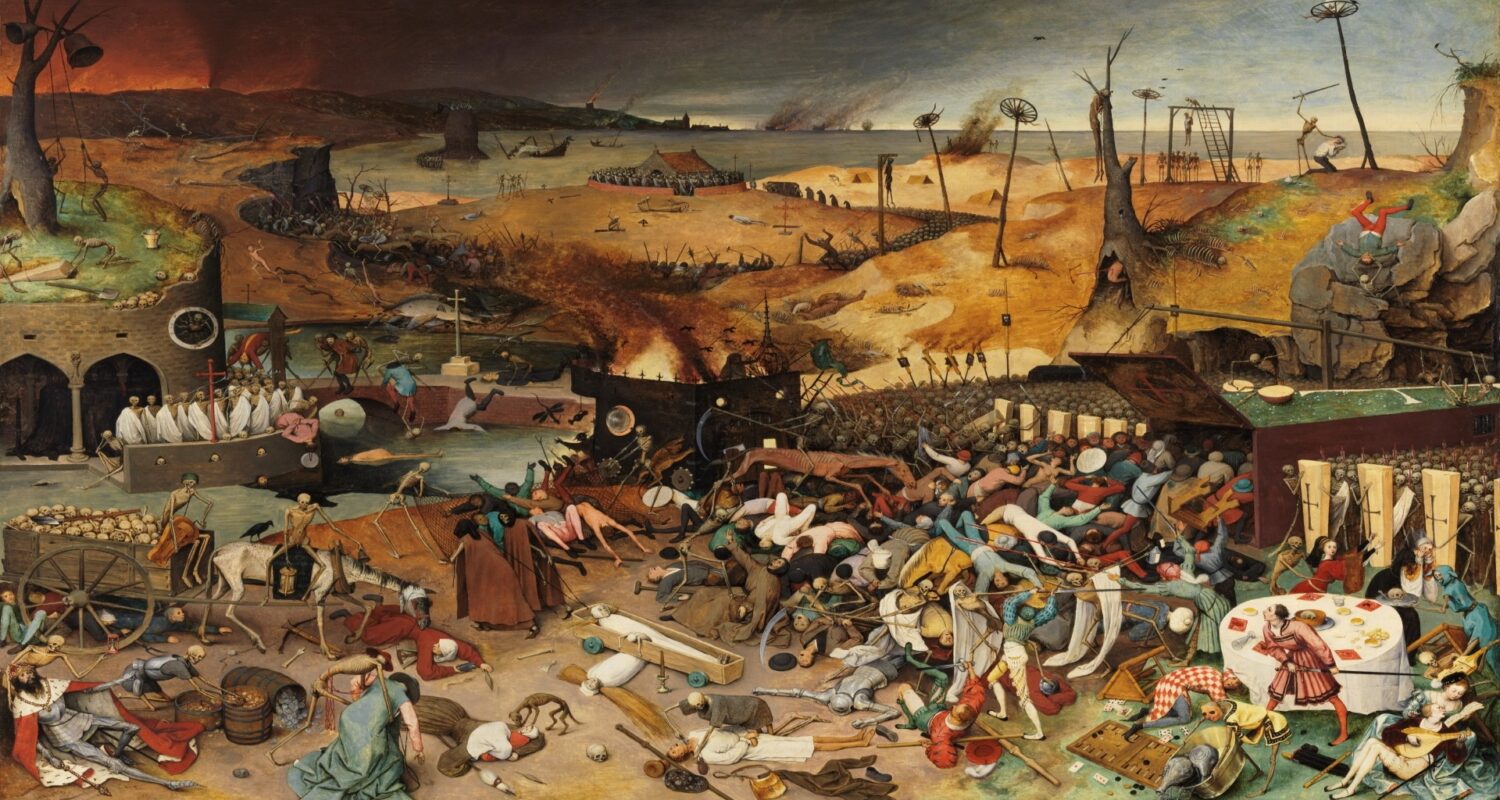
There has never been a point in human history in which society has not confronted the face of tragedy and torment. In thinking of the numerous manmade and natural tragedies that have fractured the societies of the past, present and future, I sought to venture on an unconventional psychosocial question: Is there an optimal approach through which societies can navigate the wreckage of collective trauma within their memory. Broadly speaking, the institutions we build and the cultures we inhabit tend to split down two entirely different roads when the processing localised trauma. We either choose the path of active, deliberate remembrance, or we opt for the highly pragmatic, tactical decision to simply forget. Each of these pathways carries its own heavy baggage. While forcing a society to remember is often painted as the only moral choice, it can easily end up locking people into old hatreds and paralysing any real chance of moving forward. On the flip side, while choosing to hit the reset button and forget can patch up a broken country in the short term, it risks leaving unresolved struggles intact while cheating future generations out of knowledge of the past. In this short article, I aim to provide a balanced critical account on each pathway by presenting their virtues and vices without any reference to past or present conflicts.
Social Amnesia: The Art of Forgetting
When we look at the option of forgetting, it is easy to see why a broken society might grab onto it like a lifeline. Imagine a country right after a brutal civil war or a massive social collapse. The air is thick with anger, and everyone has a grievance. In that exact moment, deciding to institutionalise silence by locking up the old police files or passing blanket amnesty laws appears to be a survival mechanism or callous strategy by the state to enforce a culture of silence. Focusing on the former, it creates a temporary and neutral space where people who were just fighting each other are forced to share a workplace or line up at the same grocery store without constantly fighting over who did what. It lowers the emotional temperature so a parent can focus on the literal, everyday work of feeding their kids and rebuilding a ruined neighbourhood. Forgetting, in this immediate sense, acts like an emergency brake on human hostility, offering a fragile sort of peace that lets life resume. But if we look closer, this engineered silence has a massive, dangerous price. First of all, by wiping the slate clean, we are basically cheating future generations out of their own history. We hand them a sanitised version of the past, leaving them completely blind to how their society actually got so fractured in the first place. Worse, it sets a terrible precedent: it tells the world that if a conflict gets messy enough, massive crimes can just go unpunished and get swept under the rug. This leaves a toxic build-up of unresolved grievances under the surface. Because the pain was never openly talked about or dealt with, it doesn’t just disappear — it stays there, waiting. Decades later, when the original generation is gone, that buried anger becomes a perfect goldmine for opportunistic politicians. They can easily dig up those old, unhealed wounds and weaponise them for an election campaign, and trigger the exact same cycle of violence all over again.
Active Remembrance: The Optimal Path?
This is exactly why the road of active remembrance feels so necessary to so many, even if it is incredibly exhausting. Choosing to remember means a society is brave enough to look its own dark history in the eye. When a state officially builds monuments, holds public truth hearings, or rewrites school curricula to tell the raw truth, it is doing something deeply therapeutic. It tells the victims that their pain is real and that their losses actually matter to the collective conscience. It also signals that the country is willing to carry that moral weight. Over time, this kind of open honesty builds a high level of social literacy. It teaches regular citizens how to spot the early warning signs of trouble, like dehumanising political rhetoric or subtle discrimination, long before things spiral out of control. Yet, we can’t pretend that dragging collective trauma into the light is a clean or easy process. The human reality of remembrance is that it is messy, painful, and often highly divisive. Forcing people to relive their worst nightmares in public spaces can easily rip half-healed wounds wide open. If a society gets completely obsessed with litigating past atrocities, it risks trapping its citizens in a permanent loop of resentment. People start identifying themselves and their neighbours purely as inherited victims or inherited perpetrators, looking backward instead of forward. When history becomes the only lens for every modern debate, a country can get completely paralysed by historical score-settling. It also opens the door for political corruption; it is shockingly easy for modern governments to hijack sacred spaces of memory, using historical victimhood as an ideological shield to push aggressive nationalism or to bully their critics today.
Taken together, the institutional processing of national or international trauma offers no clear, risk-free pathway. Strategic amnesia provides a vital, pragmatic shortcut to civil peace and immediate political stability, yet it achieves this at the cost of historical truth and long-term epistemic justice. Conversely, institutional remembrance honours the ethical imperative of historical truth and offers a framework for long-term democratic vigilance, but carries the distinct risk of perpetual societal friction and political polarization. Navigating collective trauma requires states to balance these competing demands, recognizing that the choice to remember or to forget is less a question of absolute morality than an exercise in managing profound, systemic trade-offs. Either way, the architecture of societal memory is an interesting academic pursuit and it is worth noting that it could be studied through a range of lenses whether its through cultural differences, political opportunities or as applied case studies to past and current tragedies.









Leave a Comment