Thought Tapestry - Welcome, curious wanderer! I'm Mineka, a student living in Melbourne,
  • Home
  • My Writing Corner
    • Pulse of the World
    • Critique Corner
    • Research Desk
    • Philosophy Symposium
    • Creative Chronicles
  • Lifestyle Collective
    • IN-CAFÉ CINEMA
    • IN-CAFÉ JUKEBOX
    • IN-CAFÉ LIBRARY
    • IN-CAFÉ MAP
  • Open Mic
    • Current Affairs
    • History, Arts & Humanities
    • Science & Technology
    • Philosophy & Stoicism
  • About Me
Home
My Writing Corner
    Pulse of the World
    Critique Corner
    Research Desk
    Philosophy Symposium
    Creative Chronicles
Lifestyle Collective
    IN-CAFÉ CINEMA
    IN-CAFÉ JUKEBOX
    IN-CAFÉ LIBRARY
    IN-CAFÉ MAP
Open Mic
    Current Affairs
    History, Arts & Humanities
    Science & Technology
    Philosophy & Stoicism
About Me
Thought Tapestry - Welcome, curious wanderer! I'm Mineka, a student living in Melbourne,
  • Home
  • My Writing Corner
    • Pulse of the World
    • Critique Corner
    • Research Desk
    • Philosophy Symposium
    • Creative Chronicles
  • Lifestyle Collective
    • IN-CAFÉ CINEMA
    • IN-CAFÉ JUKEBOX
    • IN-CAFÉ LIBRARY
    • IN-CAFÉ MAP
  • Open Mic
    • Current Affairs
    • History, Arts & Humanities
    • Science & Technology
    • Philosophy & Stoicism
  • About Me
Browsing Category
Archive
My Writing Corner

Quelles sont les limites de dépôt minimum sur Fast Slots Casino aujourd’hui ?

February 14, 2026 No Comments

Comprendre les limites de dépôt minimum sur Fast Slots Casino

Fast Slots Casino se distingue sur le marché iGaming par sa simplicité d’accès et son interface fluide, attirant à la fois les nouveaux joueurs et les habitués. L’une des premières questions que se posent les utilisateurs concerne le montant requis pour effectuer un dépôt initial, une étape cruciale pour commencer à jouer. Sur casino-fastslots.com, la transparence des conditions financières est primordiale, notamment concernant les seuils de dépôt minimum.

Analyser ces limites, c’est lever le voile sur la facilité avec laquelle un joueur peut s’engager financièrement, sans risquer d’être freiné par des exigences trop élevées. Cette donnée clé impacte directement l’expérience utilisateur et la fidélisation.

Quelles sont les limites actuelles de dépôt minimum ?

Fast Slots Casino propose des seuils d’entrée adaptés à une large gamme de budgets. Actuellement, le dépôt minimum est généralement fixé à 10 euros, ce qui est conforme aux standards du marché. Ce niveau est assez accessible pour permettre à de nombreux joueurs de tester la plateforme sans un engagement financier lourd.

Cependant, ces limites peuvent varier selon le mode de paiement sélectionné. Par exemple, certains portefeuilles électroniques ou solutions de cryptomonnaies peuvent imposer des seuils légèrement supérieurs ou inférieurs. Il est donc important de vérifier ces conditions avant de procéder.

Modes de paiement et limites associées

Méthode de paiement Dépôt minimum (€) Particularités
Carte bancaire (Visa, MasterCard) 10 Instantané, accepté largement
Portefeuilles électroniques (Skrill, Neteller) 10 Rapide, parfois avec promotions
Virement bancaire 20 Plus lent, conseillé pour gros montants
Cryptomonnaies (Bitcoin, Ethereum) 5 Flexible, frais variables

Cette diversification permet à Fast Slots Casino d’accueillir aussi bien un joueur occasionnel qu’un parieur plus expérimenté, en fonction de ses préférences.

Pourquoi ces seuils de dépôt minimum sont-ils importants ?

Au-delà de l’aspect purement financier, les limites de dépôt minimum déterminent l’accessibilité de la plateforme. Un seuil trop élevé risque de décourager les novices ou ceux qui souhaitent découvrir le casino sans prendre trop de risques. À l’inverse, un dépôt minimum trop bas pourrait augmenter les frais de transaction pour le site et casser le modèle économique.

Fast Slots Casino trouve un équilibre en maintenant un seuil raisonnable, qui favorise la prise en main rapide tout en garantissant une expérience de jeu qualitative.

Avantages de ce seuil de dépôt minimum :

  • Permet aux joueurs de commencer avec un budget modeste.
  • Réduit la barrière à l’entrée pour les nouveaux venus.
  • Assure une gestion efficace des transactions côté opérateur.
  • Compatible avec la majorité des moyens de paiement populaires.

À noter : Par rapport à d’autres casinos en ligne, Fast Slots reste compétitif avec un dépôt minimum de 10 euros, souvent considéré comme un standard dans le marché français.

FAQ – Limites de dépôt minimum sur Fast Slots Casino

Q1 : Puis-je déposer moins de 10 euros ?
Non, le dépôt minimum sur Fast Slots Casino est généralement de 10 euros, sauf exceptions sur certaines cryptomonnaies où ce seuil peut être abaissé à 5 euros.

Q2 : Les limites de dépôt varient-elles selon les promotions ?
Certaines promotions peuvent exiger un dépôt minimum spécifique pour en bénéficier. Il est conseillé de lire les termes détaillés avant de participer.

Q3 : Y a-t-il un montant maximum de dépôt ?
Oui, Fast Slots impose également des plafonds qui varient selon les méthodes de paiement, pour protéger les joueurs et respecter la régulation.

Q4 : Les dépôts sont-ils instantanés ?
Pour la plupart des méthodes (cartes, e-wallets, cryptos), oui, les dépôts sont crédités immédiatement. Les virements bancaires peuvent prendre plus de temps.

Q5 : Puis-je changer mon mode de paiement pour réaliser un dépôt différent ?
Absolument, Fast Slots Casino autorise le changement de méthode entre les dépôts, à condition que chaque moyen respecte ses propres seuils.


En résumé

Fast Slots Casino maintient des limites de dépôt minimum claires, accessibles et adaptées à une clientèle variée. Avec un seuil de 10 euros pour la majorité des méthodes de paiement, et une flexibilité bienvenue sur certains moyens alternatifs, la plateforme facilite son accès sans compromettre la sécurité ou la qualité du service. Ce point est essentiel pour une bonne expérience de jeu dès les premiers clics.

Pour ceux qui veulent démarrer sans trop investir, Fast Slots offre donc une porte d’entrée équilibrée, en phase avec les attentes des joueurs français.


  • Dépôt minimum standard : 10 €
  • Cryptomonnaies disponibles dès 5 €
  • Virement bancaire minimum : 20 €
  • Dépôts instantanés sauf virement
  • Conditions spécifiques pour les bonus liés aux dépôts

Pourquoi ces règles de dépôt minimum sont-elles rassurantes ?

Fast Slots Casino ne se contente pas d’imposer ces montants au hasard. Derrière ces limites se cache une volonté claire de protéger à la fois le joueur et l’opérateur. Un seuil accessible évite de surcharger le joueur, tandis qu’une limite plancher assure la viabilité économique du casino. Cette dualité est cruciale pour garantir une expérience durable, responsable et sécurisée.


Cet article vise à fournir une vue claire et précise sur les limites de dépôt minimum sur Fast Slots Casino en 2024. Pour plus d’informations et pour vérifier les modalités exactes, consultez directement casino-fastslots.com.
Continue reading
Written by: developer
My Writing Corner Pulse of the World

Independence in an Age of Giants: What Armani’s Succession Reveals About Fashion’s Next Era

No Comments

Independence in an Age of Giants: What Armani’s Succession Reveals About Fashion’s Next Era

Haute couture has long been anchored in its founding principles of exclusivity, scarcity and uncompromising craftsmanship. Yet this landscape has shifted dramatically with the rise of luxury conglomerates such as LVMH and Kering, whose scale, capital and global retail infrastructures have redefined what luxury looks like in practice. Since the 1990s, a wave of seismic M&A activity has consolidated once‑independent maisons into corporate portfolios, transforming couture from a craft‑driven cultural institution into a high‑growth asset class. Within this new order, Giorgio Armani stands as one of the last great independents, whose unfortunate demise in 2025, marks not only a pivotal moment in the story of Italian haute couture but also a profound question mark over the future trajectory of luxury fashion.

The Transformation of Luxury from Independent Foundations to Corporate Ecosystems

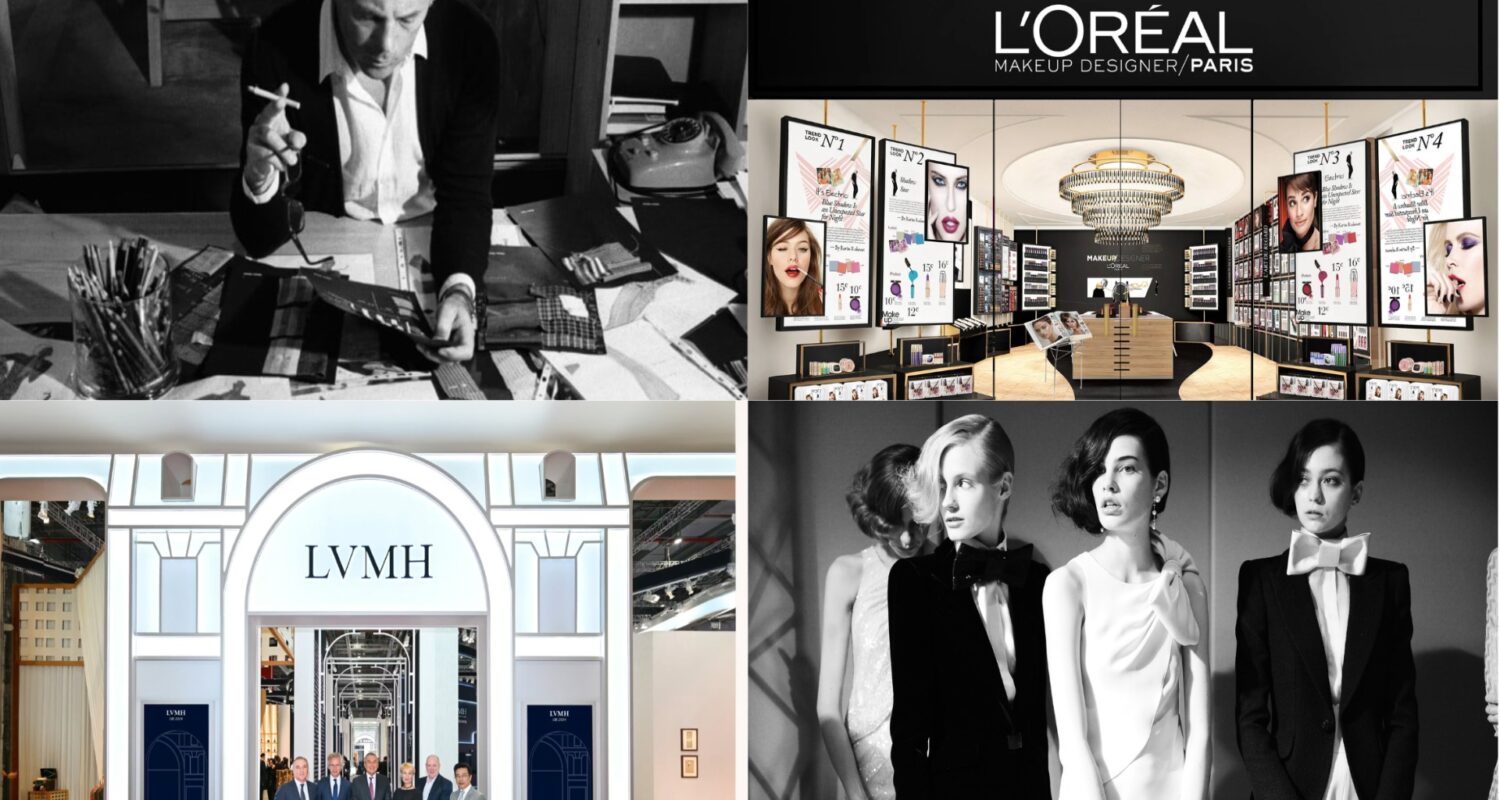
Giorgio Armani’s succession plan, revealed following his passing in September 2025, reveals a phased transition of ownership that protects the brand’s future within a new luxury landscape. The will instructs his heirs to sell a 15% stake in the Armani Group within 18 months, followed by a second sale of up to 54.9% within five years, with priority given to preferred luxury conglomerates like LVMH, L’Oréal and Essilor Luxottica. Simultaneously, he has instructed the Fondazione Giorgio Armani to maintain at least a 30% to ensure that the brand’s signature aesthetic and ethical values remain permanently preserved under any ownership structure. This article situates Armani’s succession plan within a luxury landscape that has shifted from standalone maisons to competing organisational systems. It asks whether the future of fashion will hinge less on a label’s “independence” and more on the system it aligns with — and, ultimately, on the deeper question of who truly owns and shapes this multifaceted industry.

The End of Independence as an Endpoint

For decades, luxury philosophy has treated independence as the ultimate badge of purity: the very idea of a free-spirited couturier standing apart from commercialised conglomerates, answering only to his muse and to a loyal clientele. Armani embodied that philosophy. Yet his will quietly challenges that, in a world of slowing growth, soaring marketing costs and global e‑commerce infrastructure, independence is no longer a sustainable endpoint but a transitional phase. By requiring a 15% stake sale within 18 months and allowing a path to 54.9% in 3-5 years, Armani’s plans demonstrate a timetable of ownership tranches rather than a binary “sell or not sell” moment. Independence becomes something to be phased out, not defended forever, and the founder himself is the one who writes the script for that phasing. The symbolism is stark: if even Armani anticipates an eventual partial takeover, it signals to the wider industry that stubborn independence is now more idealised than strategic.

Three Preferred Buyers, Three Models of Power

The most revealing part of the will is not that the company may be sold, but who is enlisted as potential buyers. Each preferred buyer embodies a different industrial model competing to shape luxury’s future:

  • L’Oréal – The Beauty Platform: L’Oréal’s long Armani beauty licence shows where the real money and visibility sit: in fragrance and cosmetics, not on the runway. Today, beauty companies use “Armani” as a label for mass‑produced, science‑driven products sold in duty‑free shops and Sephora, with fashion providing the story that helps move perfume and skincare at scale.

    LVMH – The Portfolio Conglomerate: LVMH is the clearest example of a multi‑brand group: many maisons, each treated as a distinct brand but managed as assets inside one system. If Armani joined LVMH, it would shift from independence to a model where capital allocation, synergies and market share matter more than the idealisation of the lone atelier. In a world of economic uncertainty and shifting Chinese demand, diversification is the group’s safety net.

    EssilorLuxottica – The Category Platform: EssilorLuxottica, Armani’s long‑time eyewear partner, shows a third path: a category‑focused industrial platform that controls design, manufacturing and retail for one product vertical. Fashion brands plug into this system through licences. In this setup, Armani becomes one brand among many in a hardware‑plus‑distribution machine where the real power sits in production and retail, not in fashion shows.

Taken together, these three suitors are a map of luxury’s new power structure: one where creative houses no longer sit at the centre and industrial platforms do. The future question for any brand becomes: which platform best monetises my name across beauty, accessories and lifestyle?

Foundations, Voting Rights and the New Compromise

Despite the presence of luxury conglomerates in Armani’s will, his insistence that his foundation and closest partners retain at least 30.1% of shares and 70% of voting rights appears to be the most redeeming part of the plan. At first glance, this seems like a last stand for artistic control but in reality, it is a blueprint for a new compromise between heritage and scale. Foundations and dual‑class voting structures allow founders’ values to outlive their biological tenure, ensuring that any acquirer becomes a powerful minority, and not an absolute ruler. This model provides numerous advantages:

  • Brand Maintenance: Conglomerates provide the “hard” infrastructure – That refers to the capital, logistics and digital networks required to run business operations. Meanwhile the foundation polices the “soft” elements of the brand including aesthetic direction, brand codes and philanthropic orientation.

  • Stronger Governance: The legal structure becomes a substitute for the physical presence of the founder in the studio. Instead of Armani himself vetoing an ill‑judged collaboration, voting rights and governance clauses are meant to do the work such that the brand does not compromise the client-facing appeal it has maintained throughout its years in operation.

  • National Identity: National and cultural identity are implicitly defended. By naming an Italian‑anchored industrial player (EssilorLuxottica) alongside French giants (LVMH, L’Oréal) and by keeping voting power in Italian hands, the will plays into broader anxieties about “Made in Italy” brands being controlled from abroad, even as their survival increasingly depends on transnational capital. However, this remains uncertain until a deal is actually struck. Right now, the most likely outcome is that a French conglomerate would absorb the brand and potentially strip away some of its national character.

Nevertheless, this is hybrid model – conglomerate money under foundation oversight – is likely to become more common among late‑stage founder houses. It is different from what we’ve seen in the past with brands like Yves Saint Laurent and Christian Dior, where control was largely ceded to corporate buyers once a deal was done. In contrast, this new governance setup acknowledges that the era of absolute independence is over while refusing to hand the keys entirely to the market, attempting instead to lock in a long‑term guardian for the brand’s identity even as ownership and capital structures evolve.

The Future: Luxury as Competing Operating Systems

So what, then, does Armani’s plan suggest about the long‑term direction of luxury fashion?

  • Luxury Operating Systems: First, the centre of gravity will shift from individual maisons to what once could call “operating systems” of luxury: interconnected networks of brands, factories, licences, data and retail channels under a few mega‑platforms like LVMH. Fashion labels will be like apps running on these operating systems. The strategic question for a house will not just be “who owns us?” but “which system should we turn to when survival is threatened?” which in turn affects the partnerships a brand makes along its journey.
  • ‘Quality’ Deals: Second, the independence narrative will be rewritten. Instead of glorifying independence as an absolute, success will be measured by the quality of the deal a brand can negotiate: the strength of veto rights, the durability of charters and the ability of foundations to enforce long‑term thinking against quick commercial pressures. Heritage will be less about who signs the pay cheques and more about who holds the long‑term vote.
  • Slow Transitions: Third, consolidation will become more selective and slower. Armani’s staged path – minority stake first, majority later, IPO only if needed – reflects a more cautious M&A climate: higher rates, more volatile demand in China and the US and increasing political scrutiny of foreign takeovers. The era of fast, dramatic “rescue” takeovers is fading. Instead, brands will spend longer testing whether they can join a bigger system without losing themselves in the process.

Altogether this signals that creativity itself will adapt. Designers will not just respond to runway trends but to corporate giants: a creative director at an LVMH‑owned Armani would design with cross‑category synergies in mind; under L’Oréal’s influence, beauty storytelling might dominate; under EssilorLuxottica, eyewear could become the point of differentiation. The cut of a jacket and the shape of a shoe will soon be guided by spreadsheets as much as by sketchbooks. In that sense, Armani’s final legacy may not be a set of clothes, but a legal and strategic blueprint showing how a founder can face the age of conglomerates with clear eyes, choose the system that will eventually take over his name, and still try to stop that name from becoming just another logo in a grid.

Continue reading
Written by: Mineka

ABOUT ME

Welcome, curious wanderer! I'm Mineka, a student living in Melbourne, and this is your window to explore the depths of my intellectual journey. Delve into the realms of philosophy's timeless questions, immerse yourself in the rich tapestry of global literature, and uncover the strategies shaping modern business innovation. Join me on this intellectual odyssey as we navigate the pathways of knowledge that inspire my growth and passion. Welcome aboard!

Popular Posts

The Pretty Petty Ironies of Life!

The Pretty Petty Ironies of Life!

July 22, 2024
Meaning Under Pressure: The Existential Lyrics Driving ESC 2026’s Lithuania & Czechia

Meaning Under Pressure: The Existential Lyrics Driving ESC 2026’s Lithuania & Czechia

May 10, 2026

Mobiel spelen bij Baloo Casino: wat zijn de mogelijkheden?

March 13, 2026

Tortuga Casino est-il une plateforme transparente pour les joueurs ?

January 28, 2026

Betspino Casino: Een kijkje achter de schermen

February 8, 2026

MY WRITING CORNER – CATEGORIES

  • Pulse of the World
  • Critique Corner
  • Research Desk
  • Philosophy Symposium
  • Creative Chronicles

Open Mic – Categories

  • Current Affairs
  • History, Arts & Humanities
  • Science & Technology
  • Philosophy & Stoicism

Lifestyle Collective – Categories

  • IN-CAFÉ CINEMA
  • IN-CAFÉ JUKEBOX
  • IN-CAFÉ LIBRARY
  • IN-CAFÉ MAP

Recent Posts

Meaning Under Pressure: The Existential Lyrics Driving ESC 2026’s Lithuania & Czechia

Meaning Under Pressure: The Existential Lyrics Driving ESC 2026’s Lithuania & Czechia

May 10, 2026
Collapsed Regimes, Nuclear Disarmament and EU Solidarity: The Hidden Politics behind 5 Eurovision Classics

Collapsed Regimes, Nuclear Disarmament and EU Solidarity: The Hidden Politics behind 5 Eurovision Classics

Understanding Contemporary Digital Folklore: The Case of Backrooms, Cores and Liminal Spaces

Understanding Contemporary Digital Folklore: The Case of Backrooms, Cores and Liminal Spaces

April 26, 2026
The Mind Beyond the Brain: The Radical Science Behind Dan Brown’s Latest Thriller

The Mind Beyond the Brain: The Radical Science Behind Dan Brown’s Latest Thriller

Mobiel spelen bij Baloo Casino: wat zijn de mogelijkheden?

March 13, 2026

© 2025 copyright MINEKA'STHOUGHTTAPESTRY // All rights reserved
Designed by LI Studio