
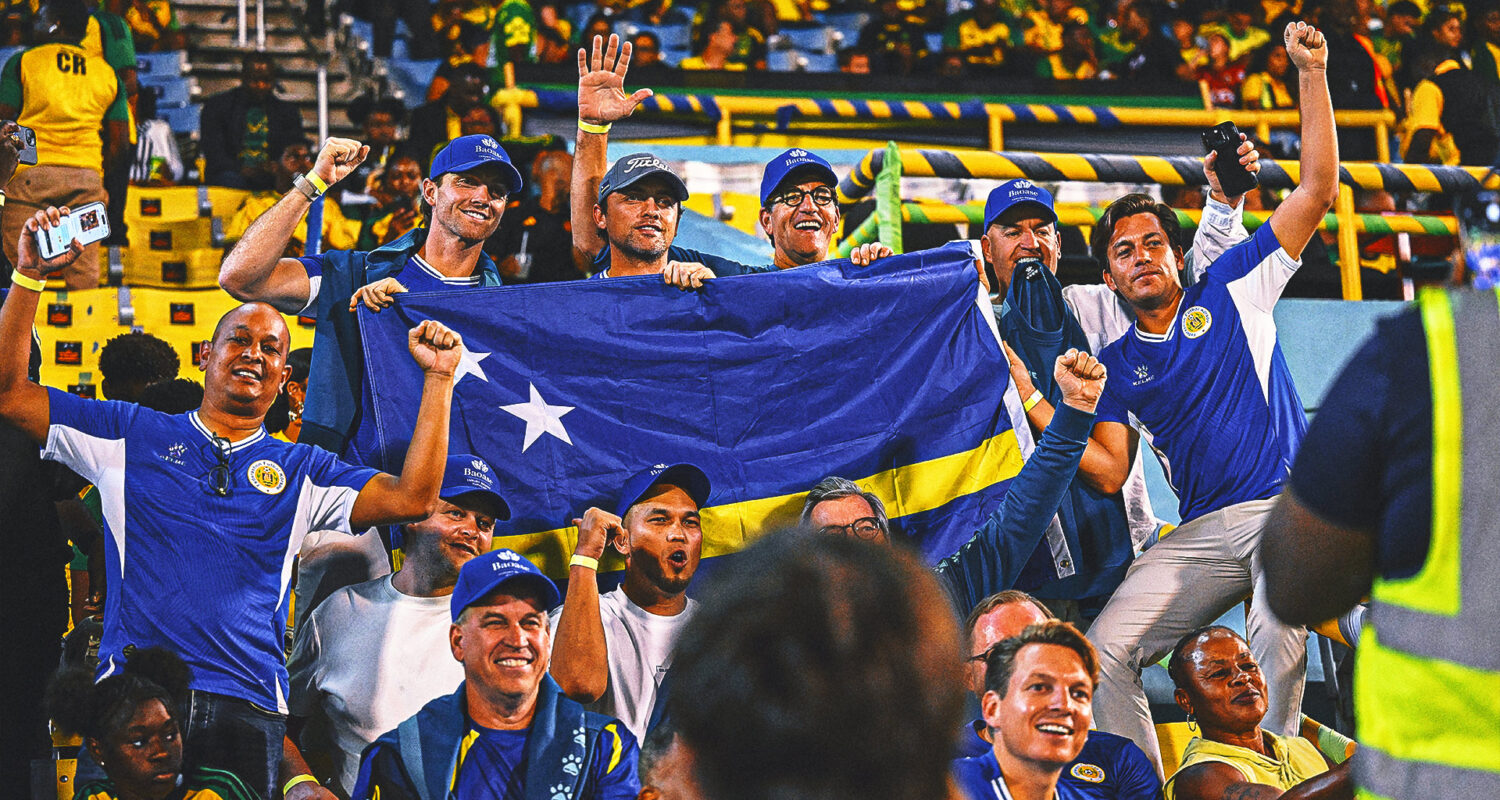
Small Islands, Infinite Hearts: What Curaçao and World Cup Micro-Nations Teach the World About Collective Joy?
Small Islands, Infinite Hearts: What does the FIFA 2026 World Cup Mean for Micro-Nations like Curaçao?
When the final whistle blew at Kansas City Stadium on 20th June 2026, the scoreboard read Ecuador 0, Curaçao 0. For most football fans, it was an unexpected group-stage anomaly, but for the 158,000 citizens of a tiny island nation just 70 kilometres off the coast of Venezuela, it was a seismic psychological event. Having already shattered records just by qualifying as the smallest country in tournament history, Curaçao’s heroic single point against a South American powerhouse validated their presence on the pitch, proving they were never a token novelty. Their journey from being 150th in the world rankings over a decade ago to standing toe-to-toe with footballing giants highlights a fresh era of the sport. It proves that the expansion to a 48-team tournament has the potential to inject the global stage with communal joy and fresh talent as we have see with two stand-out nations this year.: Curaçao and Cabe Verde. This short piece focuses on the story of Curaçao, presenting a universal narrative regarding the psychosocial value of the FIFA World Cup to micro-nations and sporting bodies can do to protect their representation on the global stage.
The People of Curaçao: A Blue Wave of Belonging
How the World Sees Them?: From Underdogs to Role Models
The world quickly fell in love with this dynamic, refusing to view them as a mere tournament novelty. While they suffered a heavy 7-1 opening defeat to Germany, they secured their place in football folklore during their second match in Kansas City. Facing a formidable Ecuador side, Curaçao ground out a heroic 0-0 draw, anchored by goalkeeper Eloy Room making crucial saves to win the nation its first-ever World Cup point. They were ultimately eliminated after a 2-0 loss to the Ivory Coast, but the scoreboard was secondary. By walking away with that single, hard-fought point, Curaçao proves that micro-nations are equally capable of performing well on the global stage powered through share passion, unity and resilience.
Online platforms exploded with affection for the Caribbean team, launching the trending hashtag #BlueWave to celebrate their distinct bright blue kits. Viral videos of Curaçaoan fans dancing in the stadium concourses captivated global audiences, alongside videos of new fans celebrating with them. This sudden football fame translated directly into a massive surge in travel search engine queries for flights and hotels on the island. Travel influencers and sports tourism boards capitalised on the moment, successfully rebranding the nation from a hidden holiday gem into a primary destination for adventurous football fans. Official Curaçaoan media channels strategically leveraged this viral momentum by sharing real-time content, transforming global online engagement into national successes. This coordinated digital push successfully boosted national team merchandise sales while simultaneously fostering an unprecedented sense of pride and unity across the global diaspora.
While this is all good the visibility of micro-nations simultaneously exposes a contradiction within modern football. The global game is celebrated as inclusive, yet governed by institutions often criticised for political imbalance and commercial priorities. In that tension, stories like Curaçao’s become even more significant. They are reminders that despite its flaws, the World Cup still retains the ability to surface narratives of genuine human scale within an increasingly commercialised multi-billion dollar industry.
Why Micro-Nations Matter and What Sport Institutions Should Protect?
For micro-nations, participation is symbolic and carries immense economic and psycho-social value. Economically, global sports participation directly stimulates the domestic economy through future sporting development, increased tourism revenue and lucrative sponsorship opportunities. However what really sticks is the psychosocial value. When a small nation competes globally, it begins to imagine itself differently. Notably, it sparks both optimism and hope and ignites younger generations to pursue their ambitions on the global stage in the future. Consequently, investment in youth development, community sport and national programmes becomes easier to justify when the population has already witnessed what is possible. This is where the governing bodies of sport carry real responsibility. Expanding tournament formats, protecting diaspora eligibility pathways and ensuring fair qualification systems are integral in shaping which identities are allowed to be seen. Inclusion in football’s biggest tournaments should not be reserved solely for economic or historical powerhouses. It should also reflect the global diversity of the sport itself. At its best, football functions as one of the few global systems where scale does not fully determine voice. A small nation can still speak loudly through performance, unity and resilience. When that happens, the effect extends far beyond sport. It feeds back into education, tourism, national confidence and cultural visibility.
Curaçao’s World Cup journey ultimately reminds us that football’s deepest impact is not always measured in wins or trophies. It is measured in recognition and the feelings it creates amongst fans, players and citizens alike For micro-nations, the act of standing on the world stage is itself a form of victory — one that reshapes how they are seen by others and more importantly how they see themselves. In a world often dominated by scale, wealth and influence including the world of football itself, stories like that of Curacao reminds us the true purpose of the big beautiful game.









Leave a Comment