Thought Tapestry - Welcome, curious wanderer! I'm Mineka, a student living in Melbourne,
  • Home
  • My Writing Corner
    • Pulse of the World
    • Critique Corner
    • Research Desk
    • Philosophy Symposium
    • Creative Chronicles
  • Lifestyle Collective
    • IN-CAFÉ CINEMA
    • IN-CAFÉ JUKEBOX
    • IN-CAFÉ LIBRARY
    • IN-CAFÉ MAP
  • Open Mic
    • Current Affairs
    • History, Arts & Humanities
    • Science & Technology
    • Philosophy & Stoicism
  • About Me
Home
My Writing Corner
    Pulse of the World
    Critique Corner
    Research Desk
    Philosophy Symposium
    Creative Chronicles
Lifestyle Collective
    IN-CAFÉ CINEMA
    IN-CAFÉ JUKEBOX
    IN-CAFÉ LIBRARY
    IN-CAFÉ MAP
Open Mic
    Current Affairs
    History, Arts & Humanities
    Science & Technology
    Philosophy & Stoicism
About Me
Thought Tapestry - Welcome, curious wanderer! I'm Mineka, a student living in Melbourne,
  • Home
  • My Writing Corner
    • Pulse of the World
    • Critique Corner
    • Research Desk
    • Philosophy Symposium
    • Creative Chronicles
  • Lifestyle Collective
    • IN-CAFÉ CINEMA
    • IN-CAFÉ JUKEBOX
    • IN-CAFÉ LIBRARY
    • IN-CAFÉ MAP
  • Open Mic
    • Current Affairs
    • History, Arts & Humanities
    • Science & Technology
    • Philosophy & Stoicism
  • About Me
Browsing Tag
article
My Writing Corner Pulse of the World

Independence in an Age of Giants: What Armani’s Succession Reveals About Fashion’s Next Era

February 14, 2026 No Comments

Independence in an Age of Giants: What Armani’s Succession Reveals About Fashion’s Next Era

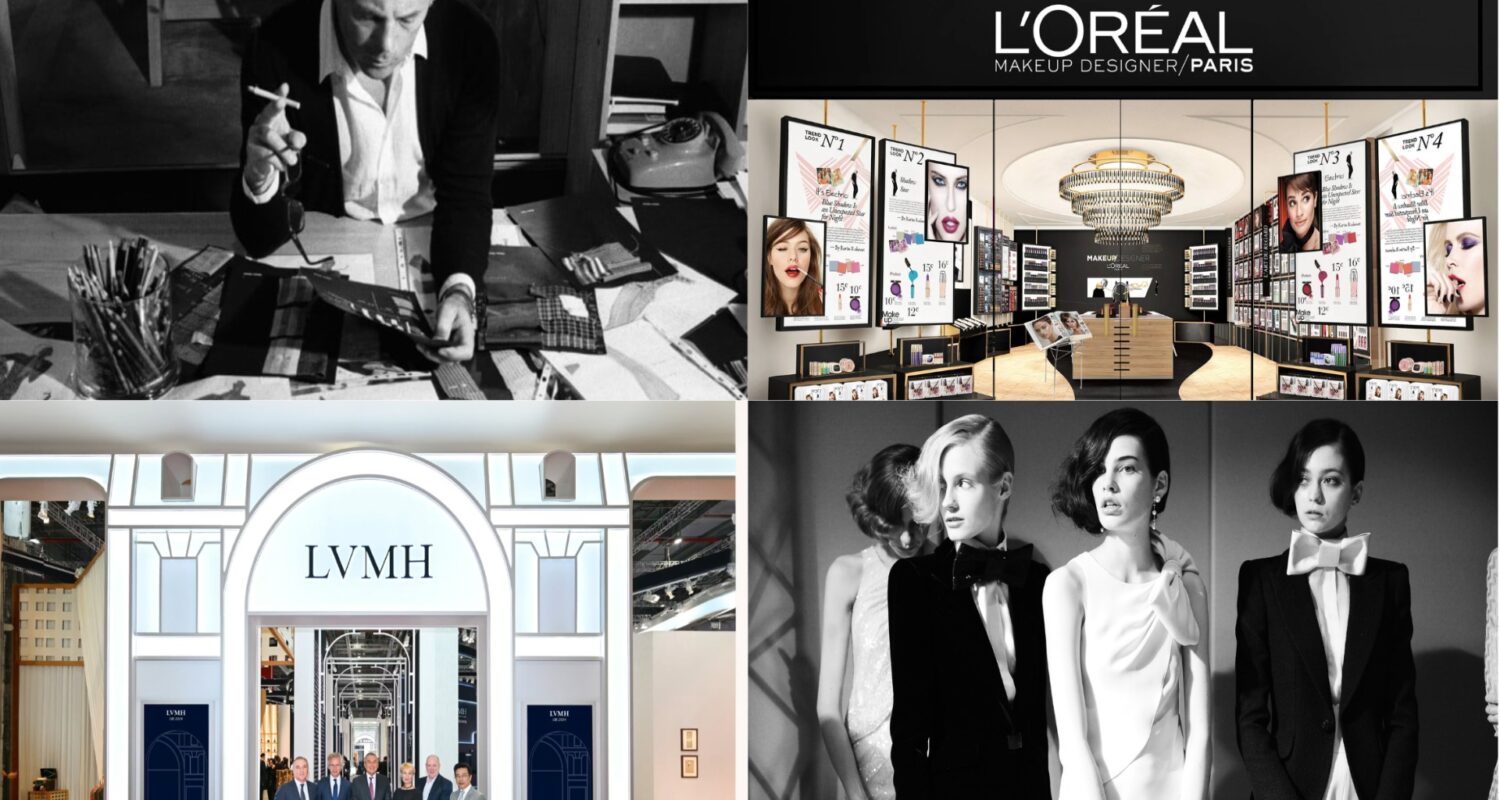
Haute couture has long been anchored in its founding principles of exclusivity, scarcity and uncompromising craftsmanship. Yet this landscape has shifted dramatically with the rise of luxury conglomerates such as LVMH and Kering, whose scale, capital and global retail infrastructures have redefined what luxury looks like in practice. Since the 1990s, a wave of seismic M&A activity has consolidated once‑independent maisons into corporate portfolios, transforming couture from a craft‑driven cultural institution into a high‑growth asset class. Within this new order, Giorgio Armani stands as one of the last great independents, whose unfortunate demise in 2025, marks not only a pivotal moment in the story of Italian haute couture but also a profound question mark over the future trajectory of luxury fashion.

The Transformation of Luxury from Independent Foundations to Corporate Ecosystems

Giorgio Armani’s succession plan, revealed following his passing in September 2025, reveals a phased transition of ownership that protects the brand’s future within a new luxury landscape. The will instructs his heirs to sell a 15% stake in the Armani Group within 18 months, followed by a second sale of up to 54.9% within five years, with priority given to preferred luxury conglomerates like LVMH, L’Oréal and Essilor Luxottica. Simultaneously, he has instructed the Fondazione Giorgio Armani to maintain at least a 30% to ensure that the brand’s signature aesthetic and ethical values remain permanently preserved under any ownership structure. This article situates Armani’s succession plan within a luxury landscape that has shifted from standalone maisons to competing organisational systems. It asks whether the future of fashion will hinge less on a label’s “independence” and more on the system it aligns with — and, ultimately, on the deeper question of who truly owns and shapes this multifaceted industry.

The End of Independence as an Endpoint

For decades, luxury philosophy has treated independence as the ultimate badge of purity: the very idea of a free-spirited couturier standing apart from commercialised conglomerates, answering only to his muse and to a loyal clientele. Armani embodied that philosophy. Yet his will quietly challenges that, in a world of slowing growth, soaring marketing costs and global e‑commerce infrastructure, independence is no longer a sustainable endpoint but a transitional phase. By requiring a 15% stake sale within 18 months and allowing a path to 54.9% in 3-5 years, Armani’s plans demonstrate a timetable of ownership tranches rather than a binary “sell or not sell” moment. Independence becomes something to be phased out, not defended forever, and the founder himself is the one who writes the script for that phasing. The symbolism is stark: if even Armani anticipates an eventual partial takeover, it signals to the wider industry that stubborn independence is now more idealised than strategic.

Three Preferred Buyers, Three Models of Power

The most revealing part of the will is not that the company may be sold, but who is enlisted as potential buyers. Each preferred buyer embodies a different industrial model competing to shape luxury’s future:

  • L’Oréal – The Beauty Platform: L’Oréal’s long Armani beauty licence shows where the real money and visibility sit: in fragrance and cosmetics, not on the runway. Today, beauty companies use “Armani” as a label for mass‑produced, science‑driven products sold in duty‑free shops and Sephora, with fashion providing the story that helps move perfume and skincare at scale.

    LVMH – The Portfolio Conglomerate: LVMH is the clearest example of a multi‑brand group: many maisons, each treated as a distinct brand but managed as assets inside one system. If Armani joined LVMH, it would shift from independence to a model where capital allocation, synergies and market share matter more than the idealisation of the lone atelier. In a world of economic uncertainty and shifting Chinese demand, diversification is the group’s safety net.

    EssilorLuxottica – The Category Platform: EssilorLuxottica, Armani’s long‑time eyewear partner, shows a third path: a category‑focused industrial platform that controls design, manufacturing and retail for one product vertical. Fashion brands plug into this system through licences. In this setup, Armani becomes one brand among many in a hardware‑plus‑distribution machine where the real power sits in production and retail, not in fashion shows.

Taken together, these three suitors are a map of luxury’s new power structure: one where creative houses no longer sit at the centre and industrial platforms do. The future question for any brand becomes: which platform best monetises my name across beauty, accessories and lifestyle?

Foundations, Voting Rights and the New Compromise

Despite the presence of luxury conglomerates in Armani’s will, his insistence that his foundation and closest partners retain at least 30.1% of shares and 70% of voting rights appears to be the most redeeming part of the plan. At first glance, this seems like a last stand for artistic control but in reality, it is a blueprint for a new compromise between heritage and scale. Foundations and dual‑class voting structures allow founders’ values to outlive their biological tenure, ensuring that any acquirer becomes a powerful minority, and not an absolute ruler. This model provides numerous advantages:

  • Brand Maintenance: Conglomerates provide the “hard” infrastructure – That refers to the capital, logistics and digital networks required to run business operations. Meanwhile the foundation polices the “soft” elements of the brand including aesthetic direction, brand codes and philanthropic orientation.

  • Stronger Governance: The legal structure becomes a substitute for the physical presence of the founder in the studio. Instead of Armani himself vetoing an ill‑judged collaboration, voting rights and governance clauses are meant to do the work such that the brand does not compromise the client-facing appeal it has maintained throughout its years in operation.

  • National Identity: National and cultural identity are implicitly defended. By naming an Italian‑anchored industrial player (EssilorLuxottica) alongside French giants (LVMH, L’Oréal) and by keeping voting power in Italian hands, the will plays into broader anxieties about “Made in Italy” brands being controlled from abroad, even as their survival increasingly depends on transnational capital. However, this remains uncertain until a deal is actually struck. Right now, the most likely outcome is that a French conglomerate would absorb the brand and potentially strip away some of its national character.

Nevertheless, this is hybrid model – conglomerate money under foundation oversight – is likely to become more common among late‑stage founder houses. It is different from what we’ve seen in the past with brands like Yves Saint Laurent and Christian Dior, where control was largely ceded to corporate buyers once a deal was done. In contrast, this new governance setup acknowledges that the era of absolute independence is over while refusing to hand the keys entirely to the market, attempting instead to lock in a long‑term guardian for the brand’s identity even as ownership and capital structures evolve.

The Future: Luxury as Competing Operating Systems

So what, then, does Armani’s plan suggest about the long‑term direction of luxury fashion?

  • Luxury Operating Systems: First, the centre of gravity will shift from individual maisons to what once could call “operating systems” of luxury: interconnected networks of brands, factories, licences, data and retail channels under a few mega‑platforms like LVMH. Fashion labels will be like apps running on these operating systems. The strategic question for a house will not just be “who owns us?” but “which system should we turn to when survival is threatened?” which in turn affects the partnerships a brand makes along its journey.
  • ‘Quality’ Deals: Second, the independence narrative will be rewritten. Instead of glorifying independence as an absolute, success will be measured by the quality of the deal a brand can negotiate: the strength of veto rights, the durability of charters and the ability of foundations to enforce long‑term thinking against quick commercial pressures. Heritage will be less about who signs the pay cheques and more about who holds the long‑term vote.
  • Slow Transitions: Third, consolidation will become more selective and slower. Armani’s staged path – minority stake first, majority later, IPO only if needed – reflects a more cautious M&A climate: higher rates, more volatile demand in China and the US and increasing political scrutiny of foreign takeovers. The era of fast, dramatic “rescue” takeovers is fading. Instead, brands will spend longer testing whether they can join a bigger system without losing themselves in the process.

Altogether this signals that creativity itself will adapt. Designers will not just respond to runway trends but to corporate giants: a creative director at an LVMH‑owned Armani would design with cross‑category synergies in mind; under L’Oréal’s influence, beauty storytelling might dominate; under EssilorLuxottica, eyewear could become the point of differentiation. The cut of a jacket and the shape of a shoe will soon be guided by spreadsheets as much as by sketchbooks. In that sense, Armani’s final legacy may not be a set of clothes, but a legal and strategic blueprint showing how a founder can face the age of conglomerates with clear eyes, choose the system that will eventually take over his name, and still try to stop that name from becoming just another logo in a grid.

Continue reading
Written by: Mineka
My Writing Corner Pulse of the World

The Netflix, Warner Bros & Paramount Clash: Hollywood’s Surrender to Streaming Supremacy?

December 4, 2025 No Comments

The Netflix, Warner Bros & Paramount Clash: Hollywood’s Surrender to Streaming Supremacy?

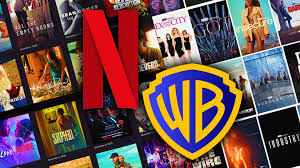
In a seismic M&A deal announced on December 5th, 2025, Netflix agreed to acquire Warner Bros. Discovery’s (WBD) film and TV studios and HBO Max for an enterprise value of $82.7 billion, outbidding rival bidders in a cutthroat auction. Shareholders will receive $23.25 in cash and $4.50 in Netflix stock per WBD share, folding icons like Game of Thrones, The Big Bang Theory, and the DC Universe into Netflix’s product portfolio. Immediately following this announcement, Paramount Skydance swiftly countered with a hostile $108.4 billion all-cash bid at $30 per share for all of WBD including cable assets like CNN and TNT claiming superior value and regulatory ease. While investment bankers and underwriters celebrate with fervour, eager to represent either side of the deal and extolling their supposed trust and the transformative power of the deal, it is essential to pause and reflect. This acquisition must be examined not only as a momentous financial transaction in the history of M&A, but within but within the broader arc of cinematic history and the uncertain future of artistic filmmaking under the weight of corporate consolidation and profit-driven uniformity.​

History of Filmmaking in Hollywood
Hollywood’s cinematic giants once thrived on the iron grip of vertical integration between the 19th and 20th centuries: studios commanded production, distribution and theatres, giving rise to the traditional studio system that dominated the 30s and 40s. That monopoly was shattered by the 1948 Paramount Decree, a landmark ruling that forced divestitures and cracked open the gates to independent filmmaking. This ushered in an era of unprecedented diversity, creativity and artistic risk where films competed for both critical acclaim and widespread popularity. Notable extensions to this ew age of cinema include the post-war New Hollywood of the 1970s with auteurs like Coppola and Scorsese and the rise of critically-acclaimed films such as Lawrence of Arabia and Space Odyssey. The trajectory of theatres and in-person cinemas was then flipped by the infamous blockbuster age of the 1980s, sparked by Jaws and Star Wars, turning movies into global events, bolstered by VHS home video and associated improvements in TV hardware. Despite its economic success, blockbuster films were characterised by a focus on high-budget, mass-appeal films, leading to several critiques including a lack of original ideas, formulaic content and the marginalisation of smaller films. As the blockbuster trajectory evolved, studios increasingly catered to their most lucrative customer segments, neglecting the middle 50% of the market. Into this critical gap stepped Netflix, positioning itself as the champion of underserved audiences and redefining how and what stories were told. The Netflix’s 1997 DVD-by-mail launch exemplified Clayton Christensen’s disruptive innovation theory, starting low-end with cheap rentals to underserved customers, then pivoting to streaming in 2007 as broadband matured, bankrupting Blockbuster by 2010 and triggering the digital deluge. Today, this deal circles back to the monopoly age with Netflix reassembling vertical control over content and distribution signifying its ulterior anxiety of being victimised to another wave of digital disruption. ​

Netflix’s and WB’s Motives
Netflix’s motives extend beyond immediate financial gains. Like any M&A deal, it is the synergies derived from the deal that ultimately determine the intrinsic worth of such a seismic deal. Netflix already projects that its deal will deliver $5-7 billion in annual synergies from combining technology platforms, cross-promoting subscribers and integrating Warner’s vast IP library, which will help offset its maturing growth after reaching 300 million global users. For Warner Bros. Discovery, burdened by over $40 billion in debt from its 2022 merger and ongoing subscriber losses at HBO Max, the deal provides much-needed cash infusion while allowing a spin-off of non-core cable networks like CNN and TNT by Q3 2026 to navigate regulatory approval. From a pre‑due diligence perspective, this financial logic appears sound for both companies: Netflix secures long‑term growth through scale and operational feasibility, while Warner Bros Discovery gains liquidity and regulatory breathing room to stabilise its debt‑laden balance sheet. However, on a deeper level, the motives of this deal seem to extend beyond the optimisation of synergies to an intrinsic need for content dominance. By acquiring the key components of WB, Netflix is essentially gaining access o the studio’s century-old content slate from classics like Casablanca to modern franchises like DC. This subsequently enhances its algorithmic recommendations and attracts premium subscribers who seek variety allowing it to derive value from previously untouched customer bases under Netflix’s current market positioning.  Warner, meanwhile, gains stability amid Wall Street pressure, but at the cost of handing creative control to a data-focused platform that prioritises high-engagement sequels and series over experimental films. This move effectively rebuilds vertical integration in digital form, where Netflix could dominate from production to delivery, potentially controlling 40% of the U.S. streaming market and pressuring competitors like Disney+ on advertising and content costs. Through another perspective, Netflix’s deal  with WB could be seen as an insurance policy hedging against the saturation of its core streaming market, the volatility of subscriber growth and the looming threat of new competitors. By locking in Warner Bros’ evergreen franchises and global distribution rights, Netflix is effectively buying resilience and safeguard against the threat of future digital disruption as Christensen’s model predicts.​

Social Implications and Cinema’s Future Trajectory
The broader social effects of a Netflix victory would reshape how we experience stories and community. Traditional cinemas, which have already seen attendance drop by 70% since the COVID-19 pandemic, would face further decline as exclusive theatrical windows shorten in favour of simultaneous streaming releases. On a psychological and cultural level, this shift replaces shared public events, like families attending a blockbuster premiere, with individualised viewing on personal devices, contributing to increased screen time (now averaging over seven hours daily for U.S. adults) and potentially heightening feelings of isolation. Algorithms would curate access to Warner’s documentaries and HBO’s investigative journalism, raising concerns about filtered narratives in an era of misinformation. One could alternatively dismiss these arguments as alarmism, but the truth remains that as generations evolve, the trajectory of cinema is bending inexorably toward a digitally‑dominated future, one where collective storytelling risks being replaced by algorithmic curation and solitary consumption. Therefore, it is not unsurprising Hollywood’s stakeholders fundamentally oppose this deal, as it reduces content diversity and erodes industry‑wide incentives to produce critically‑acclaimed films—works with the power to melt the coldest hearts and question the deepest assumptions of our society. Netflix’s reliance on viewer data favours predictable franchises, side-lining mid-budget film and underrepresented voices that thrived post-1948. If this trend continues, filmmaking could become more uniform, prioritizing profit metrics over innovation and limiting cinema’s role as a mirror for societal issues. Nevertheless, it would be interesting to see whether these trends only apply to the trajectory of the US filmmaking or whether its effects would extend to international cinema. It could possibly mean that public opposition towards Netflix could finally fuel a spotlight on the more critical-acclaimed and niche international films that are often featured and awarded at the Cannes’s Film Festival?​

Paramount’s Role: Potential Hope or Another Layer of Consolidation?
Paramount Skydance’s aggressive $108 billion all-cash counteroffer introduces a counter-narrative, positioning it as a possible alternative to Netflix’s dominance. By targeting the entirety of WBD including studios, HBO Max, and linear networks like CNN and TNT the bid promises $6 billion in cost synergies through streamlined operations, shared sports rights, and combined ad sales, without the need for complex spin-offs. Proponents argue this preserves more jobs (potentially 20,000+ across both firms) and maintains a hybrid model blending theatres, streaming, and cable, which could sustain cinema chains longer than Netflix’s streaming-first approach. However, critics view it as corporate greed in disguise: Skydance, backed by private equity, seeks its own scale to compete, absorbing valuable assets like TNT’s NBA rights while risking regulatory blocks due to overlapping media holdings. Analytically, Paramount might “save” elements of legacy Hollywood such as Warner’s theatrical commitments and diverse production arms fostering competition that encourages varied content slates. Yet it delays, rather than prevents, consolidation; a Paramount-WBD entity would still control significant market share, echoing pre-1948 monopolies and potentially leading to higher consumer prices without guaranteed creative protections.  To add another layer of political controversy, Paramount’s CEO, David Ellison (son of Oracle’s Larry Ellison) has deep ties to President Trump’s inner circle. Would this change the way Paramount is viewed in this hostile M&A landscape and if successful, what would it mean for the future of progressive media?​

This high-stakes bidding war underscores Hollywood’s crossroads: Netflix’s deal revives digital-era vertical control, while Paramount offers a bridge to hybrid survival. Both paths prioritise scale over fragmentation, but neither fully addresses how to balance profitability with artistic freedom. Regulators, creators and audiences must weigh whether reacquiring monopolistic power risks stifling the diversity that defined cinema’s golden eras. Will this saga end in innovation or imitation? The coming regulatory reviews and shareholder votes will reveal if Hollywood adapts or simply swaps one giant for another.​

Continue reading
Written by: Mineka
Critique Corner My Writing Corner

Is this a Religious Portrait or An Image  of Conformist Commercial Exploitation?

July 28, 2025 No Comments

Is this a Religious Portrait or An Image  of Conformist Commercial Exploitation?

The “Son of man” is one of surrealism’s most well-known artworks that now propagates through pop culture through its revival in countless comic strips, plays and cartoonish imageries. At the surface level of analysis, the artwork captures a man dressed in an articulate formal attire (Overcoat, red tie and hat) standing in front of grey-bricked wall amidst the view of an endless blue sea that is merged with a dusk-lit cloudy sky. Most notably, his facial features are camouflaged and obscured by a floating green apple whose leaves are unplucked and consequently becomes the explicit indicator of the painting’s surreal character.

An Algorithm for Artistic Analysis
To analyse artworks, I use the approach of establishing an artwork’s contextual foundation through acts such as skimming through the artists personal history and linking it with the motifs and design elements used in his paintings. This step also involves viewing the painting through the lens of time: it entails re-examining the historical events, societal structures, and artistic themes that were prevalent during the period when the painting was completed or the era it depicted. These elements serve as crucial sources that help establish the contextual backdrop of the artwork.

Contextual insights are then fed through a phase in which artworks are scrutinised in search for obscured symbols and stories that are inherent through artistic techniques be it colour, objects, lines, forms or any other artistic elements. Summing individual stories can rebuild a new narrative, culminating in interpretation that re-epitomises the meaning behind the artwork. Through, this analysis I’ve narrowed the results of this algorithm into two broad thematic interpretations on what I believe this artwork portrays and manifests.

1. Divinity, Curiosity & Jesus’s Portrait
In René Magritte’s “The Son of Man,” the apple is often seen as a meaningless distracter, drawing the viewer’s eyes away from the man’s covered face. This obscured visage naturally sparks a sense of curiosity and alacrity in the viewer, compelling them to seek the hidden details of the face. This element suggests the inherently curious nature of humanity, always desiring to uncover the ideas and truths concealed behind visible surfaces. Magritte posits that everything we see hides another thing, paralleling the notion that the for instance, the smiling face of a depressed person can conceal his/her deep sorrow or how a sunflower’s pistil is a numerical pattern of a recursive summation of consecutive numbers. The covered face in the painting underscores the totality of thus theme, highlighting humanity’s natural inclination to seek truth hidden behind everyday things which remains integral in all human endeavours be it scientific exploration, philosophical reasoning or artistry itself. Through this lens, Magritte deftly incorporates and integrates the viewer into his artwork, thereby reinforcing his message on human curiosity and its innate inquisitiveness.

The apple in the painting can also be interpreted through its biblical symbolism. In the story of Adam and Eve, the apple signifies knowledge and power. The title of the painting, “The Son of Man,” ironically refers to a title used for Jesus, which appears 64 times in the Bible and signifies both Jesus and a universal term for humanity. Combining these divine elements, we can see the apple once again as symbolising mankind’s quest for knowledge, striving to uncover meanings concealed beneath the surface.

Further exploring the divine aspect, “The Son of Man” can be seen as a portrait of Jesus. The title itself is a biblical term frequently associated with Jesus Christ. This connection invites an interpretation that aligns the painting with themes of spirituality and redemption. The apple, reminiscent of the forbidden fruit from the Garden of Eden, symbolises humanity’s fall and the subsequent need for redemption—a role Jesus is believed to fulfill in Christian theology.
The unplucked leaves on the apple enhance this interpretation. They suggest purity and untouched nature, possibly symbolizing Jesus’ untainted and divine essence. The leaves also emphasise the natural state of the apple, linking it to the story of original sin and the quest for knowledge. Magritte’s surreal style often challenges the viewer’s perception by placing ordinary objects in extraordinary contexts. The apple obscuring the man’s face serves as a metaphor for the hidden aspects of reality. It compels the viewer to look beyond the surface and question the deeper meanings concealed within.

This interplay of the hidden and the revealed is central to human experience. Just as the apple hides the man’s face, everyday objects and actions often conceal deeper truths. This theme resonates with the idea of spiritual and philosophical exploration, where uncovering hidden truths is a path to greater understanding.

The apple’s symbolism as the forbidden fruit ties into the human pursuit of knowledge. In the biblical narrative, the apple represents the knowledge of good and evil, and humanity’s insatiable curiosity to understand the world. This quest for knowledge is a fundamental aspect of human nature, driving scientific discovery, religious enlightenment, and intellectual growth. The painting, with its surreal elements and symbolic depth, invites viewers to contemplate the nature of existence and the layers of meaning hidden within the visible world. It challenges us to consider how much of reality is masked and how our quest for knowledge is a journey to uncover these hidden truths.

2.Conformity, Commercial Exploitation and Frustration
René Magritte’s “The Son of Man” can be interpreted through multiple lenses, and one particularly compelling perspective is viewing the surreal masterpiece through the eyes of Magritte’s critique of the commercial world. This interpretation examines the tapestry of businesses, trade, and deals explicitly communicated through the man’s formal attire, reflecting the intricate dynamics of corporate life.

The apple obscuring the man’s face becomes a potent symbol of compliance and conformity. Magritte was known to be critical of societal norms and expectations, and this painting can be seen as a direct commentary on the corporate world’s demand for conformity. In this context, the apple is a tool that obscures not only the man’s vision of the world but also the world’s view of the man. This deliberate concealment represents how corporate systems often force individuals to hide their true selves, including personal preferences, facial defects, or controversial ideas, in order to fit into established norms and standards. This phenomenon, known as conformity, is a psychological process where individuals alter their beliefs and behaviours to align with those of the majority. In the corporate world, this pressure to conform can stifle creativity, individuality, and authenticity. Employees often feel compelled to present a façade that aligns with corporate expectations, which can lead to a suppression of true identity and personal values.

Despite conformity being largely viewed as a negative force that inhibits our ability to showcase our true selves, it also allows the world to be less complex and more standardized, fostering unified ideas and opinions. However, the dark, gloomy, and dull colours reflected in the background of this artwork suggest that Magritte viewed conformity in a negative light, portraying it as a phenomenon that leads to inner guilt, distrust, dishonesty, and forgery. The faceless businessman epitomizes the loss of personal identity and the emotional toll of adhering to corporate norms.

This painting also reflects the frustration and commercial exploitation inherent in the corporate world. The man’s formal attire represents the articulate, meticulously crafted image that individuals in the corporate sphere are often forced to maintain. This image is a mask that conceals their true selves, driven by the need to fit in and succeed within a system that prioritizes uniformity and compliance over individuality and authenticity. The apple, then, can be seen as a symbol of the distractions and superficial goals imposed by the corporate world, diverting attention from genuine self-expression and personal fulfillment.

Magritte’s work invites viewers to reflect on the psychological and emotional consequences of conformity in the business environment. The pressure to conform can lead to a loss of personal integrity and a sense of alienation, as individuals feel disconnected from their true selves. This alienation is further emphasized by the surreal nature of the painting, which blurs the line between reality and illusion, underscoring the disorienting effects of a life lived in constant conformity.

Continue reading
Written by: Mineka
Critique Corner My Writing Corner

Severed Heads, Love Triangles & The Last Supper?: Reinterpreting the Controversies of The Paris 2024 Opening Ceremony An Year Later

No Comments

Severed Heads, Love Triangles & The Last Supper?: Reinterpreting the Controversies of The Paris 2024 Opening Ceremony An Year Later 

On the night of July 26th, 2024, Paris reunited the world in the spirit of sport by inaugurating the Games of the 33rd Olympiad after four tumultuous years marked by war, geopolitical turmoil and economic calamity which continues to persist. The evening featured a ground-breaking ceremony set along the River Seine, where thousands of athletes sailed past artistic performances and Parisian architectural wonders along a 6-km stretch, culminating at the iconic Eiffel Tower where the ceremonial formalities commenced and the games were declared open. The ceremony featured 6,800 athletes from 205 delegations on 85 boats. Despite the prevailing anxiety surrounding the safety of the event, exacerbated by earlier arson attacks on the French rail network, the ceremony was a resounding success, showcasing a vibrant display of French history, art, and culture, highlighted by surprise performances from Lady Gaga and Celine Dion.

The Worst Opening Ever?

Amidst the echoes of awe and wonder that resonated amongst athletes and spectators following the ceremony, many netizens were profoundly disheartened and deeply offended by several of the ceremony’s key performances. These included what appeared to be a re-enactment of Da Vinci’s Last Supper using drag artists, severed Marie-Antoinette heads on the Conciergerie followed by a suggestive love triangle. Outraged individuals took their rage to the comment sections of social media, which quickly waged into a full-on conflict as keyboard warriors in iterative rounds labelled the ceremony as ‘satanic’, ‘a disgrace to western civilisation’ and a ‘gay pride parade’ amongst many other derogatory phrases. The uproar was primarily echoed through socially conservative and right-wing leaning figures including social media influencer Andrew Tate, SpaceX-owner Elon Musk and former president Donald Trump. Against this outcry of negativity, however, French president Emanual Macron, thanked the artists, directors, performers and producers who were behind the ceremony and its superlative organisation having transformed a city into a stage and adapted well to the heavy rain that threatened to disintegrate the ceremony.

Although I empathetically understand the rage of those offended by the ceremony and their underlying reasons, I believe these reasons are based on flawed evidence and an ethnocentric understanding of French culture and history that has limited them to a very shallow and limited view of the ceremony’s key themes and ideals. Moreover, much of the uproar seemed politically oriented, creating ideological splits and battlegrounds between liberals and conservatives, of which the latter found the ceremony to be a display of ‘wokeism’. For me, these battlegrounds seemed like mere extension to the familiar US culture war and were propagandized in that they illustrated the deep-seated political polarisation of US citizens and its propagation to the rest of the world. In this way the ceremony’s controversies were illustrative of our failure as a society to think critically beyond a visible narrative and extract the inherent substance behind an artistic performance and its underpinnings. They represent our deep-seated attachment to moral circuits and politically-correct spectrums, instilled through institutions like media, politics and religion, that have consequently curtailed our capacity to think beyond the box and our own culture. Hence, it my humble exercise, in this article to decipher the inherent symbolisms of the most memorable and key performances of the Paris 2024 Olympic Ceremony that would hopefully help progress viewers from shallow labels like ‘satanic gay parade’ to more critically-thought and culturally-relativistic perspectives that underscore the core essence of the night’s performances.

The USP of Paris 2024: Liberation from Stadiums

France’s commitment to break free from the constraints, norms and constructs that hinder mankind’s capacity to manifest its creativity was instantly evident through its clever choice to not house the ceremony in a traditional stadium. By choosing to move out from the often limited, restricted and circular space of a stadium and extending the ceremony across the city enhanced the creation of a rich visual tapestry that propagated the Olympic Spirit throughout both Paris and the world. Being a record-first in Olympic History, we witnessed a unique parade of nations as Athletes passed the Parisian bridges, museums and gardens on boats that highlighted their presence and their centricity to the Olympic games thereby fostering their sense of belonging to the city that they would call home for the next 16 days. Unlike traditional stadiums, where athletes parade in a hierarchical formation, this method enhanced their visibility as a united team whilst providing ample opportunities to socialise with subsequent teams on boats thus fostering the inherent communal aspect of sport.

As the boats travelled across the Seine till it reached its terminus at the Eiffel Tower, Athletes and audiences witnessed numerous artistic displays, performances and narratives that punctuated the culture, character and values of Paris against a backdrop of prominent buildings ranging from the Notre Dame, Louvre & Orsay museums and the Conciergerie.  By embedding the city with the ceremony, we can finally recognise that an Olympic ceremony does not have to be limited to a restricted space and is an event that must celebrate the culture of an entire city. Moreover, the act of not using a stadium and extending the ceremony through Paris, maybe in itself a gesture of France’s long-standing value for freedom celebrating how the liberation from pre-ordained constructs can ignite the beauty of all universal creative endeavours. This execution must also be appreciated for its managerial and technical complexities against the added pressure of an endless rainfall, France showcases its relentless ambition and skills in its ability to coordinate such a ceremony from safety needs to timing to its synchronisation with television screens underscoring the hard work needed to pull off such a spectacle. Our gratitude must be directed to the timeless artists, performers, stunts actors, directors and media personnel who covered this ceremony despite its complexity.

I am confident to say that this ambitious feat of a non-stadium ceremony is the USP of yesterday’s spectacle and has set the bar high for future opening ceremonies which would have to think beyond the box or beyond the stadium in order to truly create a ceremony that would stand against the sheer magnificence, scale and dedication behind the Paris 2024 opening (Side Eye: LA 2028). Beyond the non-stadium concept, in the next few paragraphs I aim to deconstruct the most provocative segments of their ceremony and try to rationalise with their purpose and meaning while also mentioning a few of the memorable and spectacular events of yesterday’s opening.

The X-Torch Bearer, Children & The Catacombs

Embedded into the ceremony was a rather peculiar narrative involving a mysterious torch bearer dressed in imperial attire traversing the city and streets of Paris performing stunt acts on rooftops, buildings and the river often leading to the reconciliation of content with performance thus progressing the ceremony and its overall story.  The narrative commenced as French football player, Zinedine Zidane was deterred from carrying the Olympic torch due to a train delay and instead hands it over to 3 children who upon exploring the horrors of the catacombs meet the mysterious man who invites them onto his boat which takes them to Seine where the parade of nations commenced. As a first-time viewer, the entire narrative seemed odd and off, but upon further rounds of reasoning I believe I have coined together a compelling explanation that synthesises the story with the ceremony.

The main symbols in this complex opening narrative are the river, catacombs, children and the x-torch bearer.  The Seine River, flowing continuously, symbolises the ever-present flow of life and time, carrying with it the essence of past civilisations and nourishing the current one. It is the thread that connects all generations, emphasising the pivotal role of rivers and water in shaping human history and being the source of all earthly life forms. Meanwhile the catacombs serve as a sombre yet profound reminder of mortality and the legacy of those who came before us who would have played a foundational role in the development of cities like Paris. Within this underworld, the X-torch bearer in his imperial attire appears to be a prominent figure from this macabre world, particularly reminiscent of Napoleon Bonaparte, a forefather of Modern-day France. As a symbol, he stands for ambition, progress, and the shaping of a nation’s identity providing a link between historical influence and contemporary aspirations. Lastly, the children represent the future, filled with hope, potential, and the promise of new beginnings.

Their journey through the catacombs, guided by the Napolean amidst lost generations, signifies a rite of passage illustrating the passing of knowledge, wisdom and blessings from one generation to the next where the young absorb the lessons of the past to build a brighter future for the next generation. The children, carrying the torch of previous generations, emerge from the depths of the catacombs into the light of the river, ready to embark on their journey. In this intricate interplay of symbols, the narrative emphasizes the importance of remembering and honouring our past while courageously forging ahead. It is a story of unity, resilience, and the perpetual quest for progress, where each generation builds upon the foundations laid by those before, moving ever forward in the great river of time. This passage through history, guided by the legacy of leaders like Napoleon, empowers them to shape their destiny and contribute to the ongoing story of civilization.

In no way do I deem my interpretation to be absolute. Olympic Opening ceremonies, like yesterday’s, provide rich visual performances and narratives that embed viewers into them by seeking their critique and interpretation. We have a choice here, we can either interpret it negatively and propagate hate or we can interpret reasonably and seek reconciliation between culture, sport and artistic expression. I seek the latter route and by connecting the symbols of this story I have come to realise that it was more than just an amusing narrative but a true reminder of acknowledging the past as we work towards the future in the spirit of progress. This has been presented to us in an entertaining and peculiar way that I reckon only few would wish to venture deep and see the complex interplay between symbols and humanistic messages.

Gojira, Satanism & The French Revolution

The entire Olympics opening ceremony followed a predictable structure. Having established the connecting narrative at the start, it featured the parade of nations that was frequently interjected with performances and videos depicting French culture, art and history that was played atop bridges and river banks as athletes passed by. These performances would at times be intertwined with the X-torch bearer’s narrative, sometimes in real-time, providing an almost exuberant and animatic presence throughout the ceremony. One interjection, as vaticinated, was a reference to the French Revolution and its purpose in setting forth freedom, equality and brotherhood. It commenced with a quick theatrical performance at The Chatelet from Les Misérables involving the angered masses singing ‘Do you hear the people sing?’ which was quickly followed by a humorous depiction of a beheaded Marie-Antoniette at a window of the Conciergerie, infamously the site of several beheadings during the 1700s. The mere act of embedding the French revolution was crucial underscoring France’s relentless ambition to achieve freedom and sovereignty and the performance that followed was no less different to this message.

It is here that we meet French band, Gojira, singing “Ça ira,” a song symbolic of the French Revolution, in a hard-rock style, while choir members dressed as Marie-Antoinette adorned the windows of the Conciergerie as an opera singer on a boat sailed alongside the building. This formidable scene, complete with whisps of fire, red confetti and fireworks, powerfully epitomises a rich visual tapestry that proudly depicts the tumultuous and transformative period of the French Revolution.

The hard-rock rendition of “Ça ira” boldly resonates the rebellion and flaring fury of the revolutionaries, while the Marie-Antoinette costumes in the windows evoke the stark contrast between the monarchy and the plight of the common man. The spouts of fire and red fireworks and confetti add to this visual tapestry by symbolising the bloodshed and sacrifice of both the beheaded and the freedom fighters, underscoring the revolution’s violent but necessary upheaval. Finally, the single opera singer on the boat signifies the dramatic and far-reaching impact of the revolution as it navigated the course of history to spread democratic ideals and freedom. One could even reason, that the ship symbolises the French Navy and its historic supremacy which played a pivotal role in forming the USA, a nation that was built on the ideas of freedom and democracy much like France. Despite conspiracy theories suggesting a satanic agenda, this powerful portrayal serves as a poignant reminder of the revolution’s critical role in shaping modern society. It encapsulates the very essence of the French Revolution—its fight for liberty, equality, and fraternity—and its enduring influence on the ideals of democracy and social justice around the world.

The Infamous Love Triangle

Immediately following this bloody yet vibrant tapestry, we witness performers draped in colourful outfits swinging on the Pont-des-Arts (known for lovers locking their love for each other with padlocks) on stilts while a video displayed three youths exchanging non-verbal cues through book titles highlighting key French figures, writers and poets and their bold narratives of love, equality and freedom which culminated in them locking themselves in a bedroom leaving suggestible clues of what is to happen next. As expected, similar to the satanic conspiracies of the previous performance, this act also triggered social media unrest of the supposed sexualisation of the games. However, this is just what the visible cues tell us and to in order to go beyond this narrow perspective we recognise that this performance transcends mere sexuality and is more to with freedom, philosophy and the power of literature in French history.

The young love triangle, with its growing attraction and dynamic swings, symbolises the complexity and interconnectedness of human relationships and our inherent need to explore each other and our sexuality – a central theme embedded in French philosophy that later translated its way into literature and cinema. Existentialist thinkers like Jean-Paul Sartre and Simone de Beauvoir explored how love and freedom intertwine, with Sartre’s idea of “bad faith” highlighting the inauthenticity that can plague relationships, and Beauvoir’s notion of reciprocal recognition emphasising the importance of genuine connection. Similar of ideas of how freedom to think is akin to the freedom to love have also being explored in French works of literature and new-wave cinema production that exhibit the profound depths of human emotion and the quest for meaning. Love triangles are a radical symbol that would have been used by thinkers, writers and dramatists to highlight the freedom needed to celebrate love and the inherent indecisiveness that plagues humans during a love triangle. As the performers’ attraction culminates in a cliffhanger, we are left with a heart above the River Seine,  beautifully encapsulating the existential belief that love is both a source of profound meaning and a challenge, requiring individuals to navigate the tension between freedom and connection, mirroring the ongoing dialogue within the French intellectual tradition.

Drag Queens & Blue Bacchus in the Last Supper?

After multiple rounds of performances that delved into French cinema, dance, and music, we were left with perhaps the most provocative one towards the end of the parade of nations. The infamous drag-style recreation of the Last Supper in front of a fashion show concluding with an affluent blue Bacchus dominating the stage. As mentioned, it is up to the viewer to interpret works of art, and as much of the world has chosen, many believe this was an absolute depiction of the Last Supper, leading to instantaneous conclusions of ‘mockery,’ ‘blasphemy,’ and ‘boycotts’ despite representing less than 0.1% of the performances that night. However, if you really know art history, you would realise that the scene depicted was far from the ‘Last Supper’ and was more consistent in depicting Hans Rottenhammer’s ‘Feast of the Gods’. This insight could substantially alter our interpretation, but just for the sake of analysis, If we interpret this performance as the ‘Last Supper’ we reach still reach an ambivalent and unharmful conclusion.

The drag-style recreation of the Last Supper, culminating with the presence of a blue Bacchus, can be seen as a profound critique of human conflict and its inherent futility. I believe by juxtaposing the sacred imagery of the Last Supper-a moment traditionally symbolizing unity, sacrifice, and reconciliation-with the indulgent figure of Bacchus, the performance underscores the senselessness of human strife. The Last Supper, often associated with themes of betrayal and ultimate sacrifice, serves as a poignant reminder of the devastating consequences of discord and the cyclical nature of violence. In contrast, Bacchus, representing excess and hedonism, highlights the distractions and diversions that lead humanity away from meaningful resolution and peace. This striking combination urges the audience to reflect on the wastefulness of conflict and the importance of pacifism. Drag art in this context is implied as a pacifist symbol that resists conflict and war signifying it humble intent to propagate values of peace and unity as opposed to being a shocker or mockery of religion. Even so, it is an artistic metaphor, the power of freedom of expression in France illustrating its rich history in questioning religion, ideology and school of thought through literature, art and fashion which thereby embodies the intrinsic value of art in allowing an artist to explore humanistic themes in a liberated fashion.  Although the artwork is inherently provocative and deep, in totality, this entire sequence, delivers us a profound message on the futility of human difference be it on the basis of sex, religion, orientation, class or race being a driver for conflict forcing us to question our proclivity for unnecessary quarrels and indulgences, emphasising that the path to a more peaceful world lies in recognizing and overcoming our differences.

Energetic Youths, Power of Arts & Global Anarchy

From this point on in the ceremony the messages and artistry of performances becomes much more sinister and graver as it reconciles the current injustices of the world whilst questioning their utility and futility in sustaining the human race. While the fashion show persists atop the Passerelle Debilly bridge, another rectangular boat slides in with youths dancing energetically in a contemporary free-style on a canvas that highlights the world and all its injustices from war, poverty and natural disasters culminating in them dropping dead against a red and bloody screen as the entire city goes dark. I deeply appreciate the energy and vibrancy of these youths to continue dancing against the downpour of rain in an endless fashion without an error signifying their relentless determination and resilience much like France’s ambition pull off such a spectacle. Of course, commenters, looked past their appreciation and labelled the sequence as being akin to Zombie apocalypse which maybe true but our analysis does not stop there.

This act single handedly symbolises the power of the arts, be it dance or literature, in confronting and challenging the world’s calamities as it has in France all through its vibrant history. The youths dancing energetically on a canvas depicting global injustices-from war and poverty to natural disasters-reflects the resilience and determination of the human spirit in the face of adversity. Their relentless dance, even under a downpour of rain, signifies their refusal to succumb to these injustices, embodying a powerful stance against the suffering and chaos that plague humanity. It serves as a poignant reminder of the unyielding spirit of resistance and the crucial role of the arts in giving voice to and combating these global challenges. The dramatic culmination, with the dancers dropping dead against a blood-red screen and the city plunging into darkness, starkly illustrates the devastating impact of these issues on all aspects of society and is a commentary of the currents state of the world with issues I very well know you maybe aware of. Despite the grim interpretation by some as a zombie apocalypse, the performance ultimately highlights the arts’ enduring power to inspire resilience, provoke critical reflection, and galvanise collective action against the world’s injustices.

Imagine: A Delicate, Emotional Obituary

As Paris plunged into a still darkness, I was already sensing the eerie presence of war and other social injustices that still perpetuate the world we live in, just in time for it to be rekindled with one of the best performances of the song of the century, “Imagine” by John Lennon. Sung in a poignant and delicate rendition on an island on the Seine by French songwriter Juliette Armanet, accompanied by pianist Sofiane Pamart, whose piano flared in flames, we were presented with one of the most powerful symbolisms of that glimmering sense of hope and optimism amidst a dark and burning world of war, corruption and injustice. “Imagine,” with its timeless call for peace and unity, resonated deeply with the current state of the world, marred by conflict and inequality. It seamlessly connected with the earlier performances by offering a counter-narrative to the despair depicted through the energetic dance against global injustices, the provocative recreation of the Last Supper, and the relentless pursuit of resilience.

This rendition of “Imagine” served as a unifying anthem, echoing the Olympic spirit of bringing nations together in harmony and mutual respect. As the flames of the piano flickered, they symbolised the enduring hope that can emerge even from the darkest times. The song’s vision of a world without borders, possessions, or religions dividing us tied back to the themes of equality and fraternity central to the French Revolution and the existential reflections on love and unity showcased throughout the ceremony. It was a reminder that despite the pervasive darkness, there is always a possibility for light, for coming together to imagine and work towards a better world. This performance encapsulated the essence of the Olympics-a celebration of human potential, unity, and the unwavering hope for a peaceful future, transcending the immediate realities of conflict and strife.

The Saviour Knight

As I felt the glimmer of hope and light in the dark tunnel of the world, France’s metaphorical message continued. A hooded knight on a mechanical horse, bearing the Olympic flag, began its journey along the Seine, destined for the Eiffel Tower where the formalities were to commence. The knight, cloaked in mystery and purpose, was portrayed as a saviour, a beacon of light and optimism in a world fraught with division and strife. As the horse trotted gracefully along the riverbank, its rider became a living embodiment of the Olympic spirit, carrying with it the capacity of sports to reunite the world.

The knight’s journey through the heart of Paris symbolised a bridging of past and present, weaving together the ancient ideals of the Olympics with the modern quest for global harmony. The glowing Olympic flag fluttered in the breeze, representing not just a sports competition, but a universal call to transcend national boundaries, cultural differences and ideological divides. As the knight approached the iconic Eiffel Tower, the vision of Pierre de Coubertin, the father of the modern Olympic Games, played out in a series of historical vignettes and his dream of reviving the Olympic Games in the belief that sport could foster peace and unity among nations, creating a platform for mutual respect and camaraderie. As the knight reached the Eiffel Tower, a symbol of French ingenuity and resilience, this vision was realised as flag-bearing Athletes from diverse backgrounds were shown embracing humanity by carrying their flags in the spirit of sportsmanship under the single Olympic flag carried by the knight reconciling and presenting the intrinsic value of sports in its power to unite the world beyond borders and dispositional differences.

A Perfect End: The Hot Air Balloon Cauldron

Paris 2024 was not all about satanism, mockery and moral corruption as enraged commenters imply. Their opinions, while welcomed, were simply limited by their narrow perspective in seeing past proactive symbols or celebrating the magnificent humanistic messages that were derived from the acts that followed the parade of nations. As I finished watching the ceremony I was dazzlingly captivated by France’s flawless ability rekindle anecdotes of French culture, history and artistic expression with the values of freedom, equality, solidarity and unity whilst transforming the entire city into an ambient and animate stage of visual tapestries.

Inventive, Bold and Humanistic These epithets that I believe define this opening ceremony were finally ignited in the final spectacle of the ceremony. The lighting of the cauldron.  As the mysterious X-torch bearer we met throughout the parade hands over the torch back to Zinedine Zidane it was passed through a string of athletes along the river Seine and beyond from Carl Lewis to Rafael Nadal and Tony Parker as they passed through key sites along the 6 km-stretch and relayed through the Louvre. As naive as I was to be still under the impression that the flame would be lit atop the Eiffel tower, I subconsciously knew that the stupefying innovative might would mean this cauldron would not be as simple as that. As one athlete joins the relay after a next, suspense and tension fuelled my psyche until the flame was finally passed onto Olympic champion Charles Coste, the oldest living French athlete at 100 years, who upon gazing at the torch finally offered it to the last torchbearers Teddy Riner and Marie-José Pérec in a way that cyclically reflected the interconnectedness of generations similar to the starting narrative with the catacombs and children.

The flame was beyond inventive in the form of a gigantic hot air ballon that was invented by Joseph and Étienne Montgolfier during the Age of Enlightment in France itself. The beautiful and unique cauldron floated above the city of Paris finally synthetising and reconciling the bold and creative spectacle of a ceremony that France pulled off from the break-free of stadiums, artistic performances and cultural narratives highlighting the true meaning of being human. The cauldron is also symbolic of all-time mankind’s burning ambition to connect with the skies and launch its flight which is synonymous to the competitive spirit of sport equated with France’s ambition to pull off such a ceremony and its timeless historic significance in inculcating the values of freedom, equality and brotherhood. A Perfect end to near perfect ceremony just in time for Celine Dion to captivate the city of Paris as her voice thundered down from the Eiffel tower to the numerous crowds and athletes leaving me and many in tears of joy.

CONCLUSION

Many may label me as biased towards the opening ceremony, but unlike the numerous hate comments that have emerged, I have detailed the logic and rationality behind my appreciation for it. In summary, Paris pulled off a grand spectacle—an inventive and unmatched ceremony on the River Seine that incorporated the entire city through real-time and ambient acts. This ambitious move is worthy of admiration. Furthermore, the focus on the athletes’ experience, exemplified by the boat parade and the act of presenting them to the city, underscores Paris 2024’s hospitable commitment.

Beyond this, the ceremony was a celebration of sport communicated through French culture, artistry, history, and performance, resonating deeply with Olympic values such as freedom, diversity, equality, peace, and unity. The provocative aspects have left some people angry, but much of this hate is fueled by politically correct agendas, media bias, or ethnocentric and illegitimate views of French history and culture. Those with the critical thinking capacity to venture beyond the visible material and extract the inner substance of these performances are more likely to react favorably to the Olympics.

To conclude, we, as humans, especially in the current day and context, are plagued by an inability to think critically and realistically. This leads many of us to reach short-term conclusions that are not thoroughly thought out. This is fuelled by our egocentric attachment to self-ideals and our own thinking framework, causing us to react to and demand that things align with our limited perspectives. This year’s opening ceremony has truly tested the limits of human thinking in the 21st century and is a testament to what the future holds. With that said, Paris 2024’s opening ceremony was a resounding success, and I thank every organizer, artist, and performer behind this masterpiece for their ambition and effort to pull off such an inventive and unique ceremony. While this piece has only looked at the most memorable and provocative moments, there is much more that it has missed, from Lady Gaga’s Cabaret to Celine Dion’s comeback and various other mini-performances that adorned the opening.

This article aimed to inspire readers to think deeper and extract the hidden humanism behind the artistic performances of Paris 2024. By reflecting on the grand spectacle of the River Seine ceremony, the celebration of athletes, and the integration of French culture, I hoped to encourage a more profound appreciation of art and culture. This broader, more inclusive understanding of global expressions invited us to look beyond surface reactions and embrace the deeper meanings embedded in such ambitious and innovative events.

 
Continue reading
Written by: Mineka
Page 1 of 3123»

ABOUT ME

Welcome, curious wanderer! I'm Mineka, a student living in Melbourne, and this is your window to explore the depths of my intellectual journey. Delve into the realms of philosophy's timeless questions, immerse yourself in the rich tapestry of global literature, and uncover the strategies shaping modern business innovation. Join me on this intellectual odyssey as we navigate the pathways of knowledge that inspire my growth and passion. Welcome aboard!

Popular Posts

The Pretty Petty Ironies of Life!

The Pretty Petty Ironies of Life!

July 22, 2024
Meaning Under Pressure: The Existential Lyrics Driving ESC 2026’s Lithuania & Czechia

Meaning Under Pressure: The Existential Lyrics Driving ESC 2026’s Lithuania & Czechia

May 10, 2026

Mobiel spelen bij Baloo Casino: wat zijn de mogelijkheden?

March 13, 2026

Tortuga Casino est-il une plateforme transparente pour les joueurs ?

January 28, 2026

Betspino Casino: Een kijkje achter de schermen

February 8, 2026

MY WRITING CORNER – CATEGORIES

  • Pulse of the World
  • Critique Corner
  • Research Desk
  • Philosophy Symposium
  • Creative Chronicles

Open Mic – Categories

  • Current Affairs
  • History, Arts & Humanities
  • Science & Technology
  • Philosophy & Stoicism

Lifestyle Collective – Categories

  • IN-CAFÉ CINEMA
  • IN-CAFÉ JUKEBOX
  • IN-CAFÉ LIBRARY
  • IN-CAFÉ MAP

Recent Posts

Meaning Under Pressure: The Existential Lyrics Driving ESC 2026’s Lithuania & Czechia

Meaning Under Pressure: The Existential Lyrics Driving ESC 2026’s Lithuania & Czechia

May 10, 2026
Collapsed Regimes, Nuclear Disarmament and EU Solidarity: The Hidden Politics behind 5 Eurovision Classics

Collapsed Regimes, Nuclear Disarmament and EU Solidarity: The Hidden Politics behind 5 Eurovision Classics

Understanding Contemporary Digital Folklore: The Case of Backrooms, Cores and Liminal Spaces

Understanding Contemporary Digital Folklore: The Case of Backrooms, Cores and Liminal Spaces

April 26, 2026
The Mind Beyond the Brain: The Radical Science Behind Dan Brown’s Latest Thriller

The Mind Beyond the Brain: The Radical Science Behind Dan Brown’s Latest Thriller

Mobiel spelen bij Baloo Casino: wat zijn de mogelijkheden?

March 13, 2026

© 2025 copyright MINEKA'STHOUGHTTAPESTRY // All rights reserved
Designed by LI Studio